


chevron_left
-
 play_arrow
Icon Radio

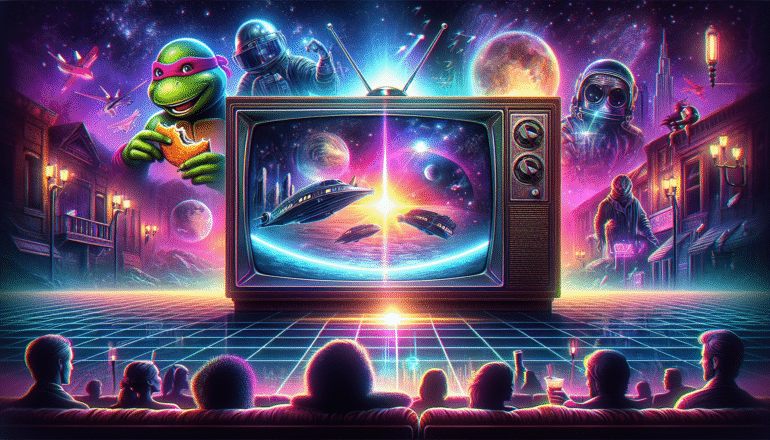
1992; using the andy warhol signature style of boarders on the left and right side of the picture, use a retro synth wave colour scheme, create an image depicting the TV show \
The Year Television Grew Up – 1992
Some years arrive quietly and leave just as quietly. Others reveal themselves slowly, the way a sunrise changes the colour of a horizon without anyone noticing until the light is already there. 1992 was a year like that for television. Nothing exploded in a single moment, yet the entire landscape shifted. Looking back, it becomes clear that 1992 marked a turning point in how audiences watched television and how television spoke to audiences. The familiar comfort of eighties programming was still present, but a new kind of ambition was taking shape. Writers were pushing dialogue into sharper territory. Characters were becoming more complex. Networks were willing to take risks that would set up the defining era of nineties television.
It was a year where comedy gained an edge without losing its heart. Drama stepped toward realism and moral conflict. Reality television found its first true identity. Politics and entertainment collided in ways that forced viewers to think about the screen differently. 1992 was a year when television grew up. It matured without losing its sense of fun, and it delivered stories that still resonate with viewers today.
Seinfeld Becomes the New Center of Gravity
For years, Seinfeld had been considered a clever show with a loyal following. In 1992, it became something else entirely. Viewers were drawn to the crisp dialogue, the rhythm of its scenes and the sheer originality of its comedic voice. There was nothing on television that moved the way Seinfeld moved. Conversations about parking spaces and soup orders carried the energy of dramatic showdowns. The characters were relatable yet heightened. Their quirks were the everyday quirks of real people, magnified through comedy.
1992 was the moment Seinfeld shifted from cult favourite to cultural pillar. Episodes like The Contest or The Airport showed how fearless and inventive the writing had become. The show embraced observational humour with real precision, and audiences responded to the honesty beneath the comedic absurdity. Television comedy was growing smarter, sharper and more self aware. Seinfeld led that shift, and 1992 became the year it claimed its place as one of the defining series of its era.
The Simpsons Finds Its Creative Peak
The Simpsons entered 1992 with a confidence that felt unmatched in animated television. It had already broken barriers by proving that animation could be prime time storytelling. The third and fourth seasons were filled with episodes that blended humour, emotion and satire with real craftsmanship. The scripts became tighter. The jokes were layered. The emotional beats landed with surprising strength.
- Advertisement -
Episodes like Lisa’s First Word, Marge vs the Monorail and Mr Plow became instant classics. They delivered a balance of chaos and clarity. The show could make viewers laugh with rapid fire jokes, then turn around and deliver a moment of unexpected tenderness. The Simpsons showed that animation could hold complexity without losing its charm. It became an ICON of the decade largely because of the work produced in 1992. The writing staff saw no boundary between comedy for children and comedy for adults. They created something that audiences of every age could appreciate.
Home Improvement and the Comfort of the Familiar
While some shows were pushing boundaries, others reflected the steady comfort audiences still craved. Home Improvement became one of the most popular shows of 1992 because it offered both familiarity and warmth. Tim Taylor’s world of family chaos, workplace banter and ongoing home renovation disasters felt accessible to viewers. It was a show rooted in daily life, yet it delivered sitcom timing that kept every episode moving with energy.
Home Improvement reflected the last strong wave of traditional sitcoms. It combined physical humour with gentle storytelling. The show understood the value of family without becoming overly sentimental. Audiences tuned in because it felt like a steady presence. It represented the side of 1992 television that valued comfort, predictability and recognizable rhythms. This was the balance that made the year so interesting. As television grew up, it still kept space for shows that simply made people feel at home.
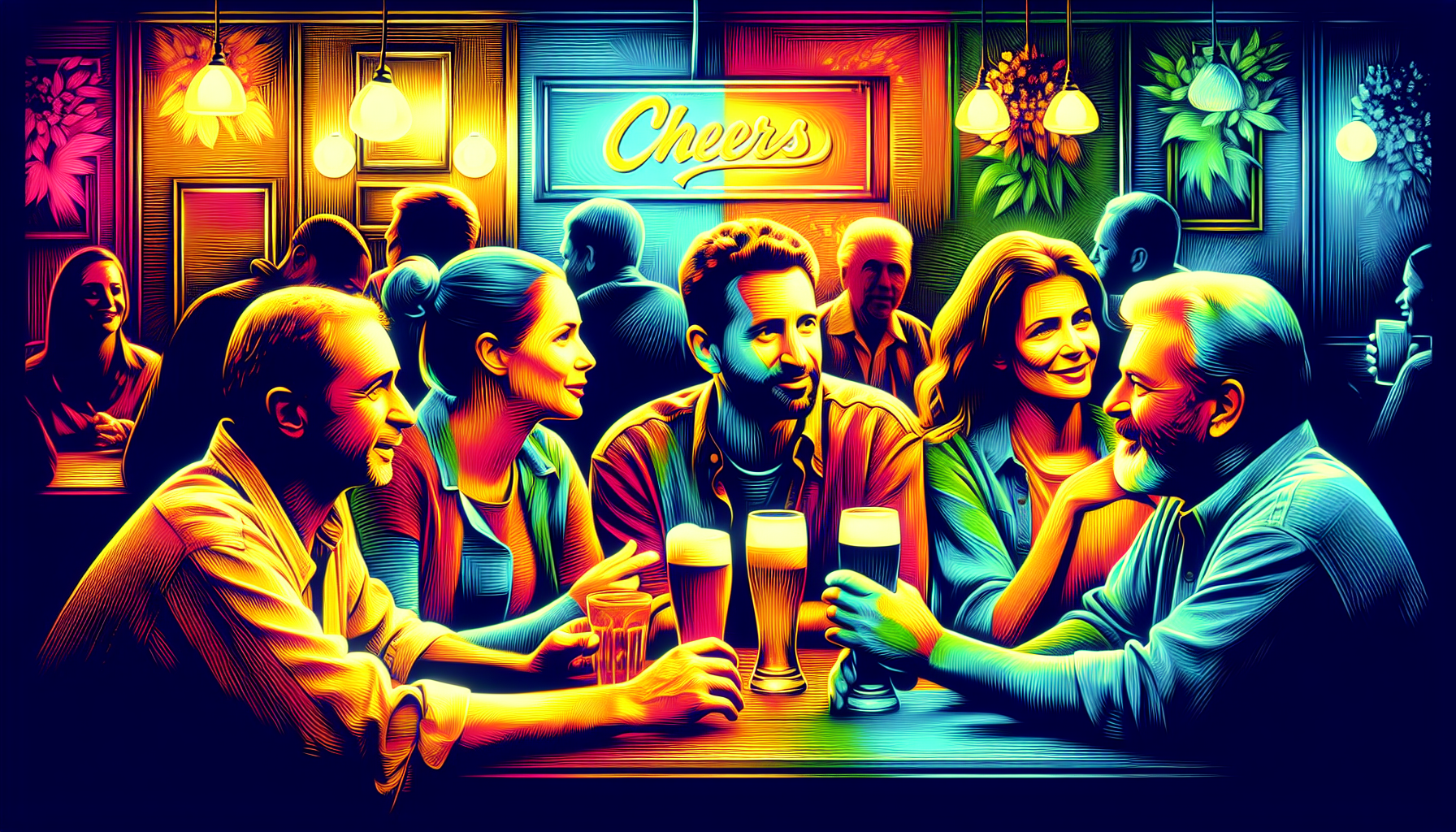
Cheers Says a Thoughtful Goodbye
1992 also marked the end of Cheers, one of the most influential sitcoms in television history. The show had defined ensemble comedy with writing that balanced wit, heart and character development. Its final season represented the culmination of everything the series had built. The bar remained a gathering place for flawed but endearing characters. The writing remained sharp, and the cast chemistry stayed effortless.
The series finale in 1993 became a historic television event, but the build up throughout 1992 carried emotional depth. Sam Malone’s growth, the ongoing dynamics between characters and the show’s ability to blend comedy with reflection all contributed to a thoughtful conclusion. Cheers proved that sitcoms could evolve and deepen over time. Its legacy shaped the approach of later ensemble shows across the decade.
Murphy Brown Ignites a National Conversation
Few shows had the cultural impact of Murphy Brown in 1992. The series already carried a strong political voice, but this was the year it became part of a real national debate. When Vice President Dan Quayle criticized the character for becoming a single mother, the show was suddenly pushed into the political spotlight. Viewers across the country began discussing the themes the series had been exploring from the beginning: independence, professionalism, compassion and modern identity.
The writers embraced the moment and responded with clarity. Murphy Brown continued to present a character who was strong, intelligent and grounded in real experience. The show remained committed to its blend of humour and social commentary. It reminded audiences that television could push conversations beyond entertainment. The cultural weight of Murphy Brown in 1992 helped establish the idea that network sitcoms could engage with real world issues without losing their comedic focus.
- Advertisement -
Law and Order Brings a New Form of Realism
Law and Order continued to refine its signature style in 1992. The show introduced a procedural rhythm that felt different from earlier crime dramas. Each episode carried a sense of documentary like movement. The writing was direct. The performances were measured. The stories were inspired by real events, and the structure allowed viewers to explore both the investigative and legal sides of a case.
This approach made the show feel grounded. The storytelling avoided melodrama and focused instead on moral conflicts and social questions. Law and Order grew steadily during this period because audiences were ready for a more serious, realistic form of drama. The show’s format became a blueprint for countless series in the years that followed. 1992 was the moment when Law and Order proved that television drama could be both accessible and sophisticated.
Northern Exposure Offers Something Unique and Unpredictable
Northern Exposure held a special place in the television landscape of 1992. It was quirky, warm and deeply character driven. The small Alaskan town of Cicely became one of the most unusual and rewarding settings on TV. The show balanced humour with introspection. It explored themes of identity, community and belonging through a cast of eccentric and lovable characters.
What set Northern Exposure apart was its willingness to slow down and observe. Episodes often drifted into dreamlike sequences, philosophical reflections or unexpected emotional moments. The writing trusted the audience to appreciate nuance. The show became a reminder that television could feel poetic without becoming sentimental. In a year filled with louder cultural voices, Northern Exposure created something gentle and imaginative.
The Real World Redefines Reality
Perhaps the most important shift of 1992 came from a new genre finding its first real identity. MTV’s The Real World brought a group of strangers into a shared living space and documented their interactions. The concept was simple, yet the impact was enormous. The show presented real conversations, real conflicts and real relationships. It allowed viewers to see different perspectives and lifestyles in a way scripted television rarely explored.
The Real World became a cultural experiment. Viewers watched people navigate issues of identity, ambition, conflict and connection. The show opened the door to an entirely new kind of television, one that would dominate future decades. 1992 became the beginning of reality television as we know it today, even though no one realized it at the time. The idea of unscripted storytelling began here, in a modest apartment filled with young adults trying to figure out their lives.
Fox Becomes a True Challenger
By 1992, Fox was beginning to feel like more than a newcomer. Shows like In Living Color, Martin and Beverly Hills 90210 pushed the network into new territory. Fox embraced youth culture, edgy comedy and serialized storytelling. In Living Color introduced bold sketches and diverse voices. Martin brought high energy comedy through a charismatic lead performance. Beverly Hills 90210 captured the drama and excitement of teenage life with a glossy package that appealed to younger viewers.
These shows helped Fox grow into a true competitor in the network landscape. They delivered perspectives that felt fresh and contemporary. Fox was willing to take risks that the more established networks avoided, and that spirit defined the direction of 1992 television.
A Year of Transformation
1992 was not a loud revolution. It was a quiet shift that changed everything. Comedy became sharper. Drama became more honest. Reality television found its identity. Political and social issues entered the conversation through characters who felt real. Networks embraced new creative voices. Viewers discovered stories that reflected their lives with clarity and depth.
It was a year where television grew up. The medium gained confidence without losing its sense of fun. It blended comfort and courage. It pushed the boundaries of what storytelling could look like on a weekly schedule.
For ICON Radio, 1992 represents an era when television found its place as a cultural mirror. The shows from this year continue to define how we think about comedy, drama and reality. They feel timeless because they were built on ideas that still matter. Humanity. Curiosity. Honesty. Imagination. 1992 may not always be the first year people mention when discussing classic television, but once you look closely, it becomes impossible to overlook.
It was the year television learned to speak with a stronger voice. The year it stepped into a new era. The year it grew up.
-
 Now playing
