


chevron_left
-
 play_arrow
Icon Radio
1966 – When the Album Became the Main Event
For much of popular music’s early history, albums were containers. They held singles, filler tracks, and contractual obligations. The real action lived on the radio, on jukeboxes, and on the charts. Albums existed, but they were rarely the point.
In 1966, that changed.
Not suddenly. Not cleanly. But unmistakably. This was the year when the album stopped behaving like packaging and started demanding attention as an experience. Artists began thinking beyond hit singles and asking bigger questions. How does this record feel from beginning to end? What happens when songs are placed next to each other intentionally? Can an album reflect a state of mind rather than just collect material? By the end of 1966, listeners were no longer just buying songs. They were buying worlds.
Listening Becomes an Activity
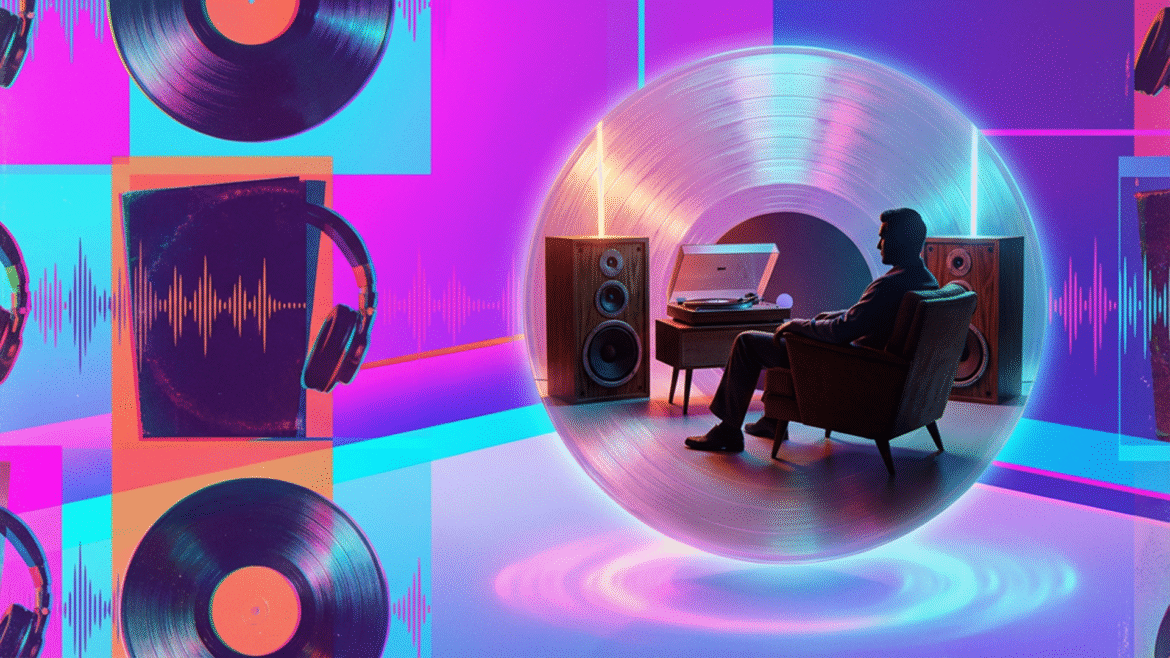
One of the quiet revolutions of 1966 was how people listened. As home stereo systems became more common and affordable, listening to music shifted from background noise to a focused activity. Records were no longer something that simply played while life happened around them. They became something you sat with.
This change mattered. Albums encouraged attention. They invited listeners to move through a sequence, to notice contrasts, pacing, and emotional shifts. Flipping a record forced a pause. It created an intermission that made the experience feel deliberate.
The album was no longer passive. It asked something of the listener.
- Advertisement -
Sequencing Starts to Matter
Before 1966, track order was often an afterthought. In this new moment, it became part of the art. Artists and producers began to consider how an album opened, how it closed, and what emotional journey unfolded in between. Fast songs gave way to reflective ones. Light moments were followed by darker turns. The record began to function as a narrative, even when it was not telling a literal story.
This shift did not require concept albums. It required intention. Albums no longer felt random. They felt arranged. That sense of design gave listeners a reason to stay with the record rather than cherry-pick favourites.
The Studio Becomes a Creative Partner
1966 also marked a turning point in how albums were made. The recording studio was no longer just a place to document performances. It became an instrument in its own right. Layered vocals, unconventional instrumentation, tape manipulation, and experimental arrangements began appearing with greater confidence.
These techniques were not gimmicks. They were expressive tools. Artists used them to create textures and moods that could not be replicated live. The album became a space where imagination could exceed physical limitation.
This changed expectations. If an album could do things a stage could not, then it had its own authority.
Albums Reflect Identity, Not Just Output
Another defining change in 1966 was how closely albums became tied to artistic identity. Rather than presenting a generic collection of styles, many albums leaned into a specific tone or perspective. Whether introspective, confrontational, playful, or surreal, records began to feel like statements rather than products.
Listeners responded to this cohesion. Albums started to feel personal. Owning a record became a way of aligning yourself with an attitude, a worldview, or a sound. Music consumption quietly became identity expression.
- Advertisement -
Singles Still Mattered, But They No Longer Ruled
It is important to note that singles did not disappear in 1966. They remained powerful, influential, and commercially important. What changed was their relationship to the album.
Singles began serving the larger work rather than replacing it. They acted as entry points rather than destinations. Hearing a song on the radio often led listeners to seek out the full album, not just more hits. This inversion reshaped the industry. Albums gained prestige. Artists gained leverage. Audiences gained depth.
Rather than delivering constant peaks, many records embraced dynamics. Quiet moments mattered. Mood mattered. Space mattered. Songs did not always announce themselves with immediate hooks. This approach trusted listeners to engage over time. It rewarded patience. It assumed curiosity. That trust built loyalty. Albums became companions rather than commodities.
Youth Culture Drives the Shift
The cultural engine behind this transformation was youth. Young listeners were looking for more than entertainment. They wanted meaning, reflection, and challenge. Albums offered a way to explore identity and emotion without interruption.
Music became something you lived with, not just consumed. Album covers, liner notes, and sequencing all contributed to the experience. The physical object mattered as much as the sound.
In this environment, the album felt substantial. It felt serious.
Critics Begin to Take Albums Seriously
As albums grew more ambitious, criticism evolved alongside them. Writers began reviewing albums as complete works rather than collections of tracks. Analysis expanded to include themes, production choices, and emotional arcs. Albums entered broader cultural conversations.
This critical attention reinforced the idea that albums deserved focus. They were no longer secondary to singles in artistic value. A feedback loop formed. Artists aimed higher. Critics responded. Audiences followed.
A New Kind of Legacy Takes Shape
Albums released in 1966 did something else quietly radical. They endured. Rather than fading when singles fell off the charts, these records continued to be discussed, revisited, and rediscovered. Their value did not depend on immediate success. It depended on depth.
This longevity redefined success. An album’s impact could grow over time rather than peak instantly. The idea of a catalogue began to matter. By the end of 1966, the album had become a destination.
Listeners approached records expecting a complete experience. Artists approached albums as opportunities rather than obligations. The industry began recognizing the album as a central unit of creative expression.
This shift would shape everything that followed. Concept albums, progressive rock, singer-songwriter movements, and even modern streaming era albums all trace their lineage back to this moment.
Why 1966 Still Matters
1966 matters because it changed the question music asked. Instead of asking, “What is the hit?” albums began asking, “What does this feel like as a whole?” That question transformed how music was made, heard, and remembered.
The album stopped being a container and became a canvas. That transformation did not arrive fully formed, but in 1966, it became unavoidable. And once the album became the main event, music never went back. That is why 1966 stands as one of the most quietly ICONIC years in popular music history.
-
 Now playing
