



chevron_left
-
 play_arrow
Icon Radio
1992, The Year Before Everything Went Digital
There is a physical weight to movies made before the digital takeover. You can feel it in the way actors move through space, in the way light lands on real surfaces, in the way danger looks uncomfortable rather than choreographed. In 1992, that weight was still the default.
This was not the final year of analog filmmaking, but it was one of the last moments when physical craft remained unquestioned. Computers were already entering the process, quietly and selectively, but they had not yet changed the grammar of cinema. Stories were still designed around what could be built, staged, and captured in camera. The limits of reality shaped imagination rather than replacing it.
Looking back now, 1992 stands as a threshold year. A moment when filmmakers pushed practical techniques to their peak, unaware that the ground beneath them was about to shift.
A World Built by Hand
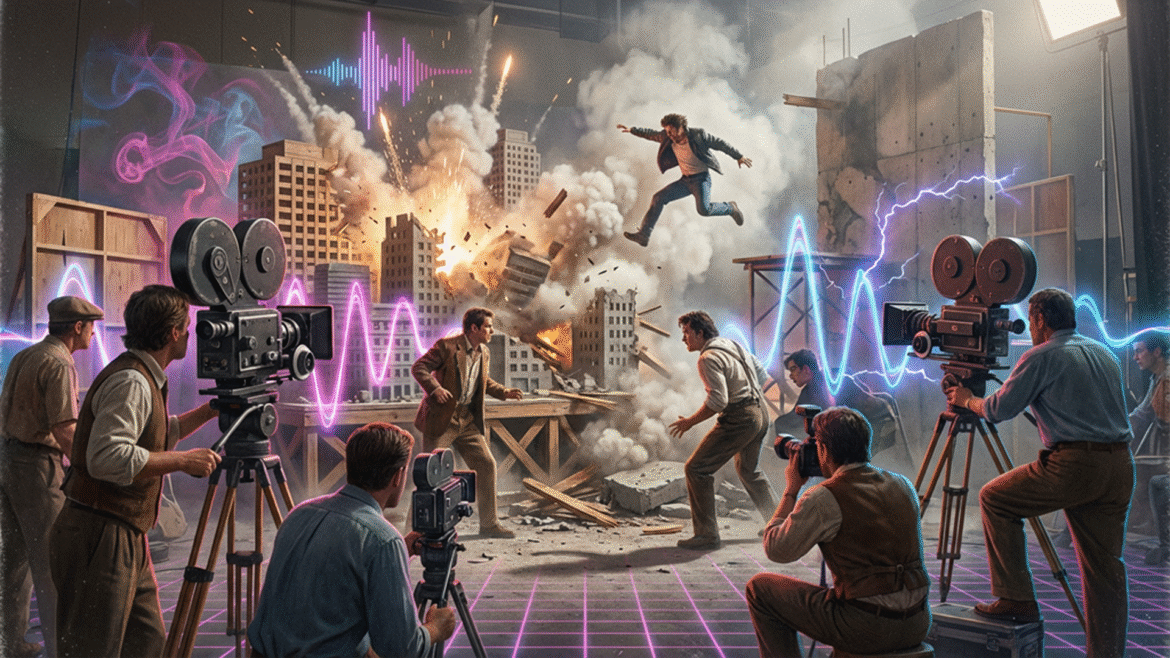
In 1992, movie worlds were still constructed, not rendered. Sets were erected. Miniatures were engineered with obsessive detail. Explosions were planned with physics in mind. If something appeared on screen, it usually existed in some form, even if enhanced later. The camera documented objects and bodies interacting in real space.
That physicality affected everything. Directors blocked scenes differently. Actors performed with a stronger sense of environment. Cinematographers lit tangible surfaces instead of imaginary ones. Editors worked with footage that carried the messiness of reality.
- Advertisement -
This approach grounded even the most fantastical stories. Audiences did not need to be convinced that a world was real, it simply behaved that way.
Practical Effects Reach Their Peak
By the early nineties, practical effects had become incredibly sophisticated. Decades of experience had refined techniques for creature design, stunt coordination, animatronics, and optical compositing. Filmmakers knew how to push these tools to their limits. The results felt confident, bold, and tactile.
What makes 1992 special is how unapologetic this craftsmanship was. Effects were not meant to disappear entirely. They were meant to impress. You were supposed to notice the effort, the scale, and the danger involved.
There is an honesty to that approach. The spectacle carries risk. You sense that something could go wrong, and sometimes it did. That tension translates directly to the screen.
Action with Consequences
Action films in 1992 leaned heavily on physicality. Stunts were performed by people whose bodies absorbed the impact. Vehicles collided with real mass. Chases unfolded in environments that resisted rather than yielded. Pain looked inconvenient, not stylish.
This gave action a sense of consequence that would slowly erode as digital tools took over. Injuries mattered. Damage lingered. Characters moved differently after being hit.
The action was not faster, but it was heavier. Every movement carried effort. Every set piece felt earned.
- Advertisement -
Drama Feels Closer to the Ground
The analog mindset did not just affect spectacle, it shaped storytelling. Dramas in 1992 often favoured intimacy and restraint. Without the temptation to rely on visual excess, filmmakers focused on performance, dialogue, and atmosphere. Scenes were allowed to breathe. Silence mattered.
There is a confidence in that restraint. Stories trusted audiences to engage without constant stimulation. Emotional impact came from accumulation rather than shock.
This grounded approach gave many films from the era a timeless quality. They do not feel tied to a specific technological moment, because technology never became the point.
Cameras Still Observe Rather Than Invent
One of the defining differences between analog and digital cinema lies in the role of the camera. In 1992, the camera primarily observed. It captured events arranged in front of it. Even when visual effects were involved, they were designed to serve what the camera could plausibly witness.
As digital tools expanded, cameras gained the power to invent reality rather than record it. In 1992, that shift had not yet taken hold. Movement felt constrained by physics. Perspective felt human. This limitation created coherence. Scenes obeyed rules audiences instinctively understood. Visual logic mattered.
Sound and Texture Matter More Than Scale
Without the ability to endlessly escalate spectacle, filmmakers leaned into texture. Sound design emphasized physical interaction, footsteps, impacts, breathing, mechanical strain. Production design focused on wear, grime, and lived in spaces. Costumes looked used, not pristine. These details gave films depth. They rewarded close attention. They made worlds feel inhabited rather than displayed. In many ways, 1992 films feel louder in memory not because they were noisier, but because they engaged more senses at once.
The Quiet Arrival of Digital Tools
None of this is to suggest that digital technology was absent in 1992. Computers were already assisting with compositing, editing, and subtle enhancements. Digital sound editing was advancing rapidly. Early computer generated imagery was beginning to appear, carefully rationed and often hidden within practical frameworks.
What distinguishes this period is intent. Digital tools were used to solve problems, not to redefine possibilities. They supplemented rather than replaced physical craft. This balance allowed filmmakers to experiment without surrendering the discipline imposed by reality.
A Different Relationship with Risk
Risk behaves differently in analog cinema. When effects are physical, risk must be managed rather than erased. This shapes creative decisions. Scenes are designed around safety, feasibility, and contingency. That planning creates tension and ingenuity.
In 1992, filmmakers embraced that tension. Constraints forced creativity. Solutions had to be invented rather than programmed. As digital tools removed many of these constraints, risk shifted from the physical world to the production schedule and budget. The sense of danger on screen changed accordingly.
Audiences may not have articulated these distinctions at the time, but they felt them. Films from 1992 often register as more immediate and more immersive. You believe what you see because it behaves like the world you know. Even implausible stories feel grounded.
This credibility builds trust. Viewers invest emotionally because the film respects physical reality. When something extraordinary happens, it lands harder because it disrupts a familiar world rather than a synthetic one.
The Last Moment Before Transformation
Within a few years, cinema would change dramatically. Digital imagery would accelerate. Editing would become faster and more aggressive. Cameras would move in ways previously impossible. Worlds would be created from scratch rather than constructed piece by piece. Those changes brought incredible new possibilities, but they also altered the relationship between filmmaker, audience, and reality. 1992 sits just before that transformation fully takes hold. It represents a peak moment when analog craft was fully mature and still central to the art form.
The films of 1992 endure because they carry weight. They are not weightless spectacles floating in infinite digital space. They exist in gravity, friction, and limitation. They respect the viewer’s sense of how the world works, even when telling extraordinary stories. This gives them credibility and emotional resonance that transcends era.
Before the Rules Changed
1992 matters not because it resisted technology, but because it balanced it. It reminds us that limitations can sharpen creativity. That physical reality can enhance imagination rather than restrict it. That craft is often most powerful when it is felt rather than noticed. Before everything went digital, cinema learned how far it could go with what it had. That moment, captured in 1992, remains unmistakably ICONIC.
Similar posts
-
 Now playing
